

BJC Ranked “Best Hospitals”
Memorial Hospitals have been ranked by U.S. News & World Report in three specialties.

Masks are now optional
New information on masks being optional for patients and visitors at BJC HealthCare facilities.

You deserve extraordinary care.
From advanced procedures to routine checkups, we’re here to provide the care you need.
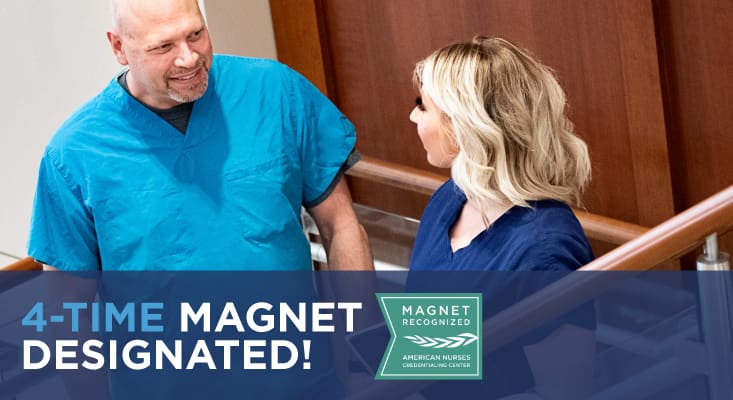
Your Best Nurses
Memorial Receives Highest Nursing Credential With Prestigious Magnet® Recognition…Again!

Your Best Medicine℠
With the world class expertise of BJC Medical Group and Washington University Physicians of Illinois, Inc. specialists, Memorial Hospital delivers access to the most advanced health care where you live.
Current Visitor Policy
BJC HealthCare has the current policy in effect as part of our efforts to protect patients and staff against the transmission of coronavirus (COVID-19).

Healthy Life Online
Check out the latest issue of Memorial Foundation’s magazine!
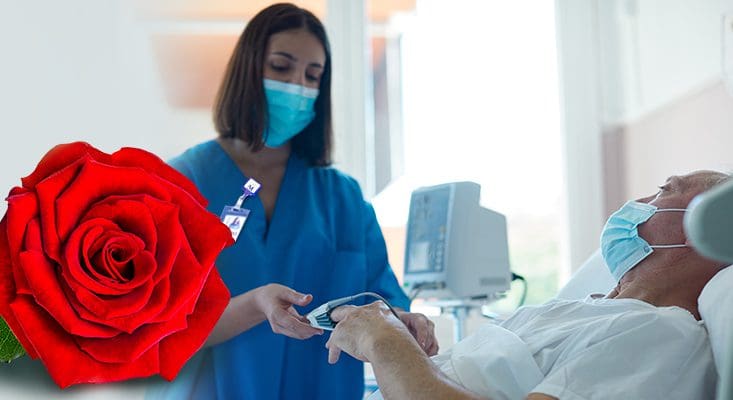
Recognize a Tech
Know a tech who deserves to be recognized for extraordinary care and compassion? Nominate them for the Rose Award today.

You need health insurance.
BJC can help.

Show Your Gratitude
Know a nurse who has gone the extra mile? Here’s your chance to say thank you.
Masks are now optional in BJC HealthCare facilities
If you prefer to wear a mask, they are available at our entrance hygiene stations.
Learn more here.
Making Your Healthcare Our Top Priority
From our excellent hospitals with skilled doctors and staff to our specialized centers and services, Memorial is an ever-evolving system for better healthcare in your community.